Blog Post
How Is Bagasse Tableware Made? Everything You Need to Know
What Is Sugarcane Bagasse?
Sugarcane bagasse is the dry, fibrous residue that remains after sugarcane stalks are crushed to extract their juice.
For many years, bagasse was considered an agricultural by-product. Today, it has become a valuable renewable resource used to manufacture sustainable products such as:
- Dinner plates
- Snack plates
- Bowls
- Meal trays
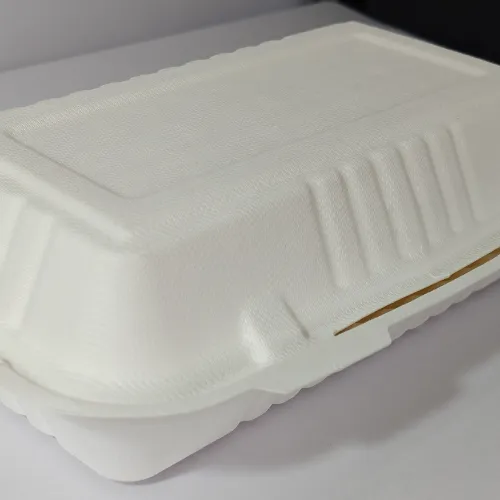
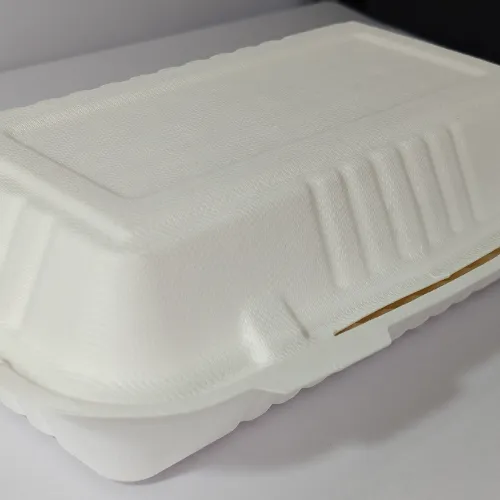
- Clamshell food containers
- Food packaging boxes
By transforming this natural fibre into useful products, manufacturers reduce agricultural waste while creating eco-friendly alternatives to plastic packaging.
Why Is Sugarcane Bagasse Used for Tableware?
Bagasse is an excellent material for disposable tableware because it offers the ideal combination of strength, durability, and sustainability.
Some of its natural advantages include:
- Renewable resource
- Plant-based material
- Strong fibrous structure
- Naturally biodegradable
- Compostable
- Suitable for food contact
- Heat resistant
- Lightweight yet durable
Instead of relying on petroleum-based plastics, bagasse products make productive use of a renewable agricultural by-product.
How Is Bagasse Tableware Manufactured?
The manufacturing process is designed to convert sugarcane fibres into strong and hygienic food packaging products.
Step 1: Collecting Sugarcane Bagasse
After sugar extraction, the remaining fibres are collected from sugar mills and prepared for processing.
Step 2: Cleaning the Fibres
The bagasse is thoroughly cleaned to remove impurities before entering the manufacturing process.
Step 3: Pulp Preparation
The cleaned fibres are processed into pulp, creating a smooth material suitable for moulding into different shapes.
Step 4: Moulding
The pulp is placed into specially designed moulds and compressed under controlled heat and pressure to form plates, bowls, trays, and food containers.
Step 5: Drying and Finishing
After moulding, the products are dried and trimmed to achieve consistent quality and appearance.
Step 6: Quality Inspection
Each production batch undergoes quality checks to ensure durability, hygiene, and consistent manufacturing standards before packaging.
Is Bagasse Tableware Eco-Friendly?
Yes. One of the biggest reasons for the growing popularity of bagasse products is their environmental sustainability.
Bagasse tableware helps:
- Reduce plastic waste
- Reuse agricultural by-products
- Minimise landfill waste
- Support renewable resource utilisation
- Lower environmental impact
- Encourage sustainable food packaging
Since sugarcane is harvested every year, bagasse is considered a renewable raw material, making it a responsible alternative to conventional disposable products.
What Products Are Made from Bagasse?
Manufacturers produce a wide variety of food packaging products using sugarcane bagasse.
These include:
- Round plates
- Compartment plates
- Square plates
- Bowls
- Food trays
- Burger boxes
- Clamshell containers
- Lunch boxes
- Meal containers
- Takeaway packaging
These products are commonly used in restaurants, cafés, catering businesses, hotels, food courts, and takeaway services.
Why Businesses Prefer Bagasse Tableware
Businesses across the hospitality industry are increasingly choosing bagasse tableware because it combines performance with sustainability.
Key benefits include:
- Strong enough for hot and cold foods
- Oil and grease resistant
- Suitable for takeaway meals
- Professional appearance
- Environmentally responsible
- Helps reduce plastic consumption
Using bagasse products also demonstrates a commitment to sustainable business practices, which many customers value when choosing where to dine or order food.
Who Uses Bagasse Tableware?
Bagasse products are suitable for numerous industries and applications.
They are widely used by:
- Restaurants
- Cafés
- Hotels
- Resorts
- Cloud kitchens
- Catering companies
- Food trucks
- Corporate cafeterias
- Schools and colleges
- Event organisers
- Retail stores
- Food delivery businesses
Their versatility makes them one of the most widely adopted eco-friendly food packaging solutions available today.
To explore more sustainable packaging products, visit https://www.intugreen.in/ and browse IntuGreen's complete range of biodegradable tableware designed for modern food service.
Why Choose IntuGreen Bagasse Tableware?
At IntuGreen, we believe sustainable packaging should be practical, durable, and environmentally responsible. Our bagasse tableware is manufactured from high-quality sugarcane fibres to provide reliable performance for restaurants, cafés, hotels, catering businesses, retailers, and wholesale buyers.
Our product range includes plates, bowls, trays, and food containers that help businesses reduce their environmental footprint while maintaining excellent food presentation.
Whether you're serving dine-in customers or takeaway meals, IntuGreen offers eco-friendly solutions that support your sustainability goals.
Conclusion
So, what is bagasse tableware made from? It is made from sugarcane bagasse, a renewable agricultural by-product left after extracting juice from sugarcane. Instead of being discarded, this natural fibre is transformed into durable, biodegradable, and compostable food packaging products that provide an environmentally friendly alternative to plastic tableware.
As more businesses and consumers embrace sustainable living, bagasse tableware continues to play an important role in reducing plastic waste while making productive use of renewable resources. By choosing high-quality bagasse products from IntuGreen, you can support a cleaner environment without compromising on quality, durability, or convenience.